

























































•01Training Overview
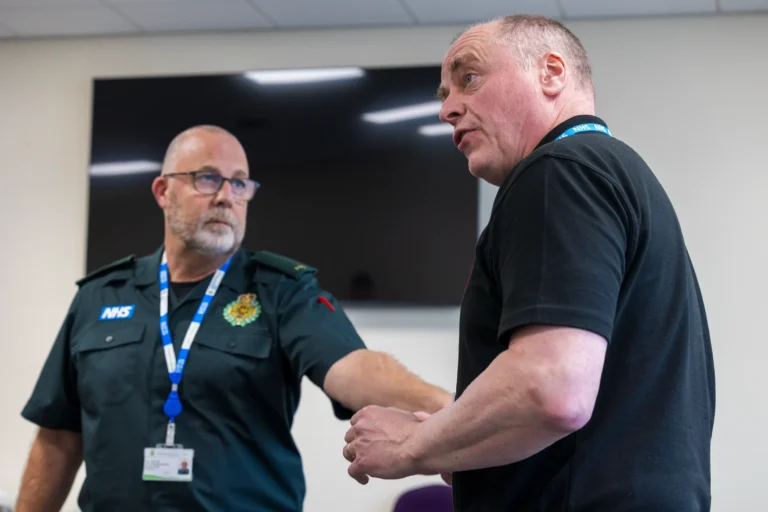
Level 3 helps organisations where staff may need to intervene physically to prevent harm and maintain safety.






For staff whose role carries a foreseeable risk of physical harm, where safe physical intervention may genuinely be needed to protect themselves or others.
THIS INCLUDES
-
 Healthcare Staff — Respond safely to challenging behaviour from patients, visitors and families.
 -
Educational Professionals — Manage higher-risk behavioural incidents in schools, colleges and universities
-
Security & Facilities Teams — Respond appropriately to aggression and safety-related incidents.
-
Public Transport Staff — Maintain safety during incidents involving disruptive or aggressive behaviour.
-
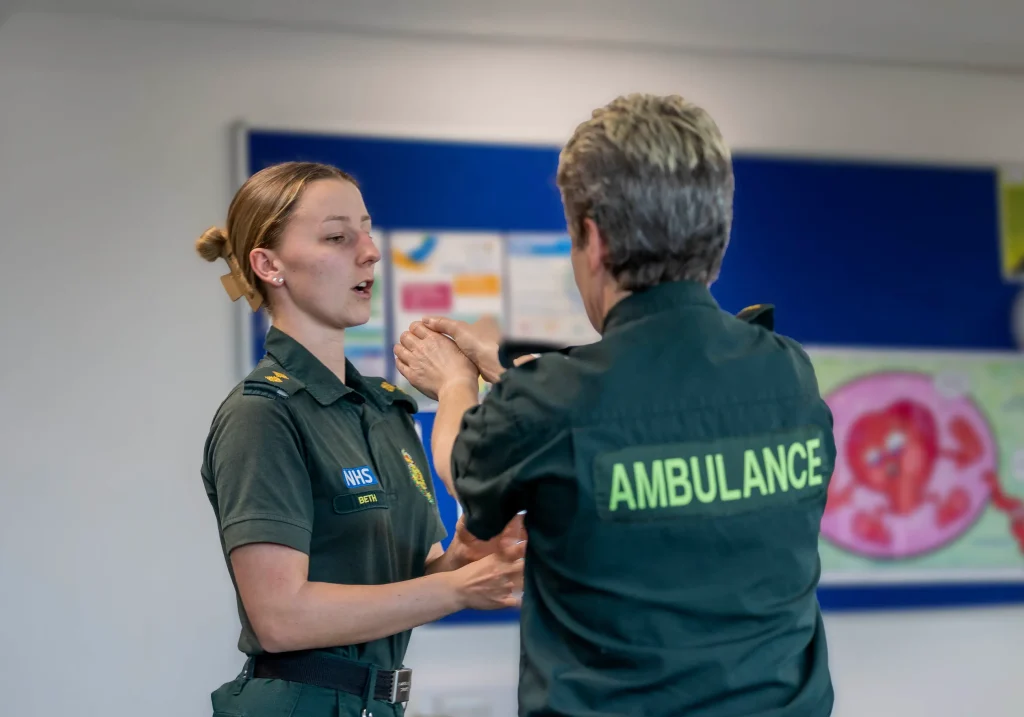
Ambulance Services — Manage complex and unpredictable incidents safely while providing clinical care in challenging environments
-
Probation & Criminal Justice Staff — Respond safely and proportionately to physical aggression while maintaining professional boundaries

•03YOUR RISKS ADDRESSED
Our training helps your staff respond safely, legally and proportionately to the risks that arise when physical aggression becomes a foreseeable part of the role, including:
 Real risk of injury to staff, service users and members of the public
Unsafe or inconsistent physical intervention practices
Escalation resulting from poor communication or unclear boundaries
Legal, medical, or organisational risk associated with physical intervention
Staff anxiety when faced with high-risk incidents
Incidents involving inappropriate or disproportionate use of force
Ineffective team communication and coordination during critical incidents
Real risk of injury to staff, service users and members of the public
Unsafe or inconsistent physical intervention practices
Escalation resulting from poor communication or unclear boundaries
Legal, medical, or organisational risk associated with physical intervention
Staff anxiety when faced with high-risk incidents
Incidents involving inappropriate or disproportionate use of force
Ineffective team communication and coordination during critical incidents
• 04 OUR PHYSICAL INTERVENTION COURSES
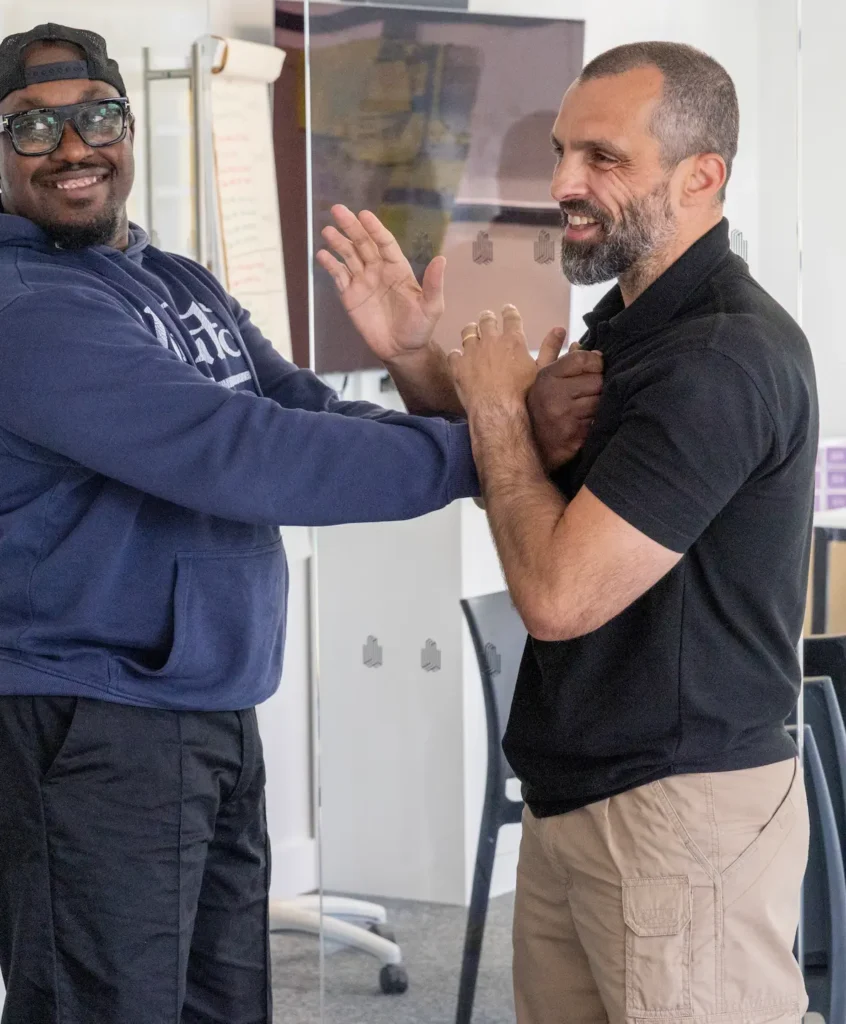
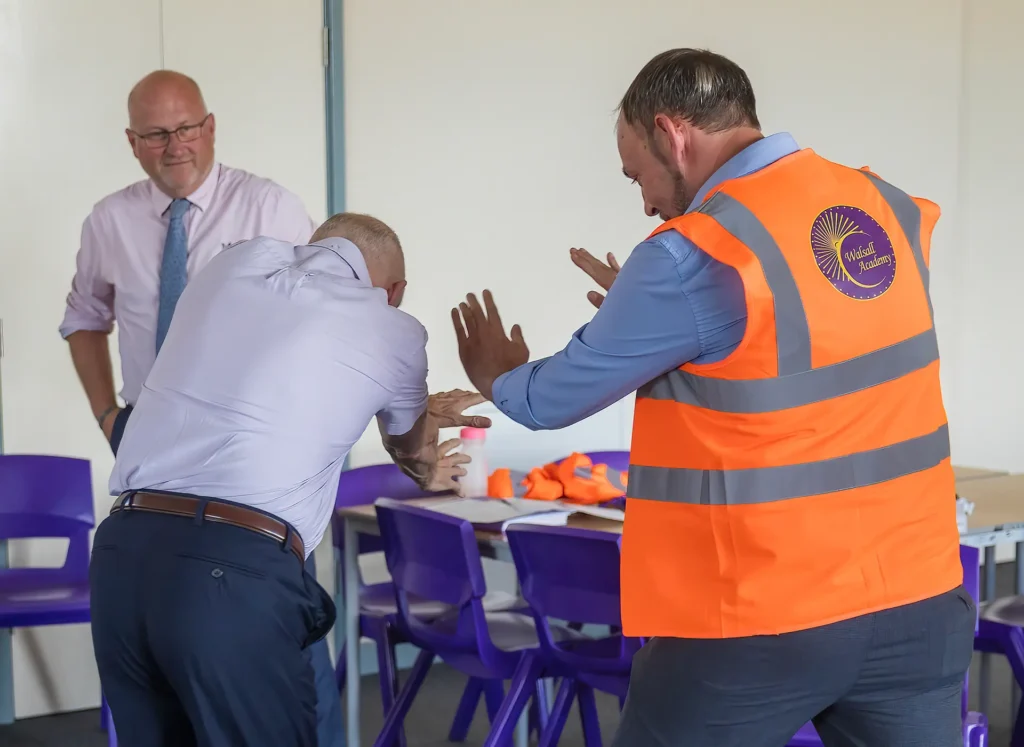
Whether applying clinical holding techniques or managing situations that may require physical intervention, our courses provide staff with the practical skills needed to respond safely and confidently.

•05OUR APPROACH TO TRAINING
Our training is delivered through a blend of practical physical skills, structured decision-making, realistic scenario-based learning and guided reflection.
 Talk to us on 01952 928134










"*" indicates required fields



 01952 928134