





















































Level 01 | FOR LOWER RISK SETTINGS

De-Escalation Training Courses

Level 1 of the Stand2 training framework is de-escalation training, for staff who deal with verbal aggression or distressed behaviour, in roles where there’s no foreseeable risk of it becoming physical.

Staff learn to recognise tension early and calm situations down, face-to-face or over the phone, using communication skills and situational awareness.

 
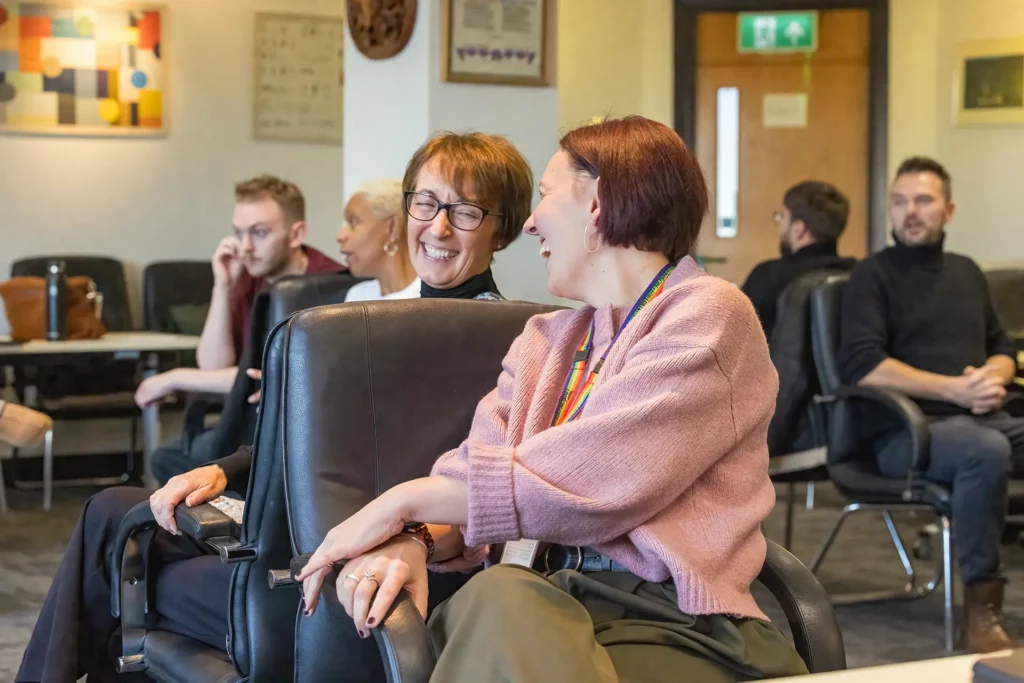
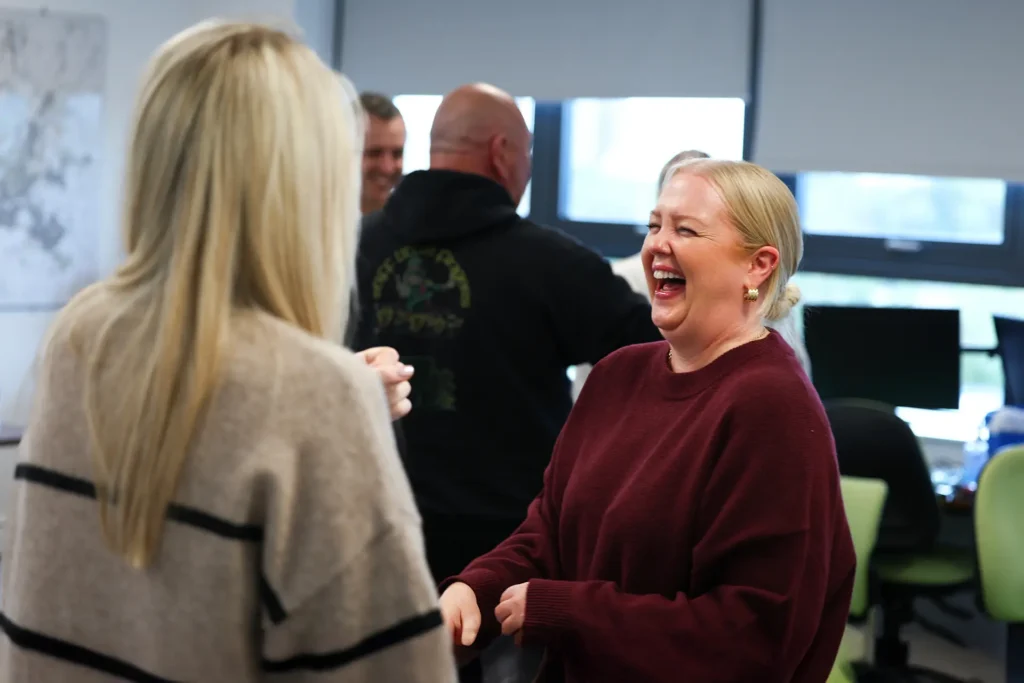
Woman laughing and talking with colleagues in an office setting

•01Training Overview

Level 1 is built entirely around de-escalation, for workplaces where conflict stays verbal and there’s no foreseeable risk of physical harm.

De-escalation is central to every Stand2 programme, but at Level 1 it is the whole programme. These de-escalation courses build the skills that make early intervention work: recognising warning signs, communicating clearly under pressure, and making proportionate, ethical decisions that stand up if they’re later reviewed.

This page gives an overview of Level 1 and the two courses within it, so you can choose the right one for your team. Some staff face a foreseeable risk that conflict could turn physical, such as grabs, pushes or assaults. They need personal safety skills to protect themselves and withdraw safely, which are covered at Level 2 Conflict Management. Level 3 Physical Intervention is for roles where staff may need to intervene physically to prevent harm.

150
k+
People Trained
96
%
Client Retention
25
+
Years Experience
|
• 02 WHO THIS IS FOR

For staff whose working day includes difficult conversations, complaints and people under pressure.

THIS INCLUDES

  • Checkmark icon Reception & Frontline Teams – Handle face-to-face complaints confidently from the first point of contact
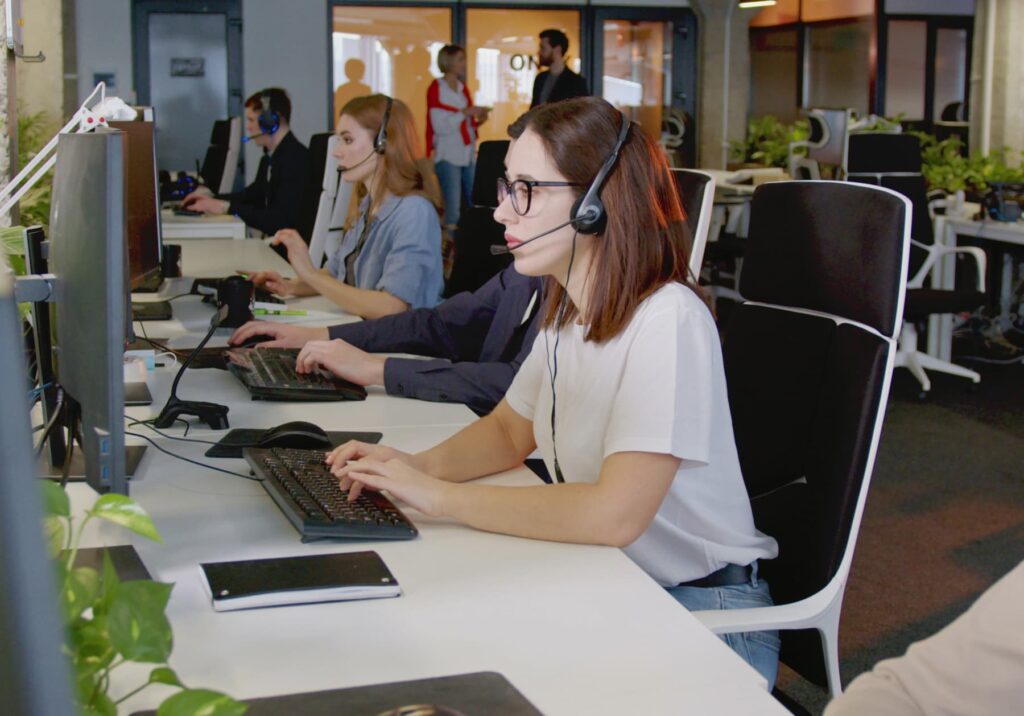
  • Checkmark icon Customer Service & Call Handlers – Manage emotionally charged enquiries calmly while maintaining service standards
  • Checkmark icon Administrative & Office Teams – Handle difficult conversations with colleagues, clients and the public calmly and professionally
  • Checkmark icon Social Care Workers – Support vulnerable people through challenging interactions while keeping care person-centred
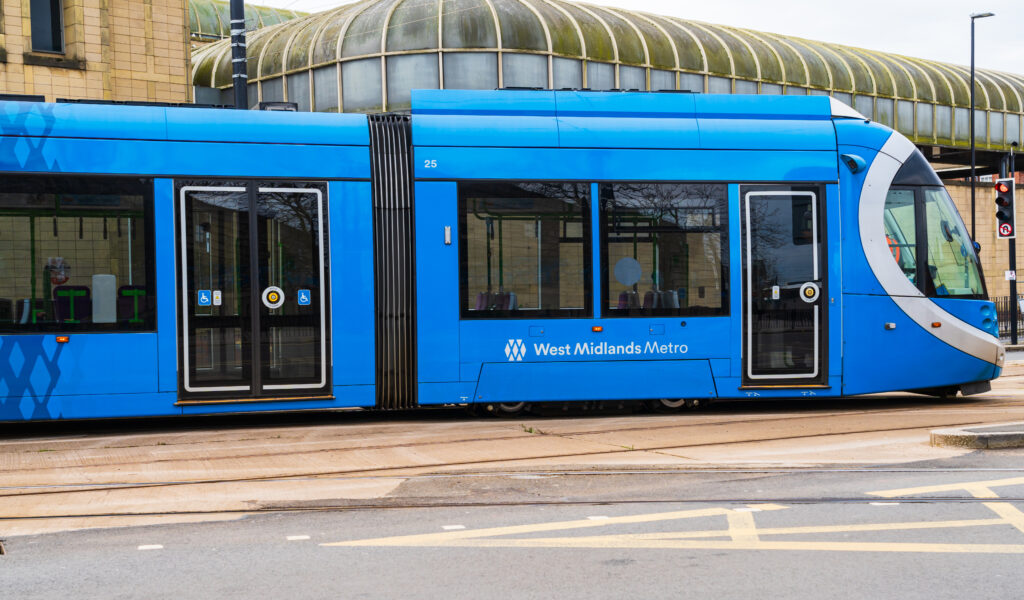
  • Checkmark icon Transport Customer Service & Ticketing Staff – Respond professionally to frustrated passengers and resolve complaints calmly
  • Checkmark icon Healthcare Support Staff – Communicate effectively with patients, visitors and families during periods of distress
  • Checkmark icon Education & Support Staff – Maintain a calm, positive environment and respond confidently when conversations become challenging

• 03 OUR DE-ESCALATION COURSES

Stand2 offers two Level 1 de-escalation courses, one for face-to-face conflict and one for conflict on the phone.

Both courses last four hours and can be tailored to your organisation following a Training Needs Analysis. Choose the course that matches where your staff meet conflict. If your teams deal with both, talk to us about the best approach.

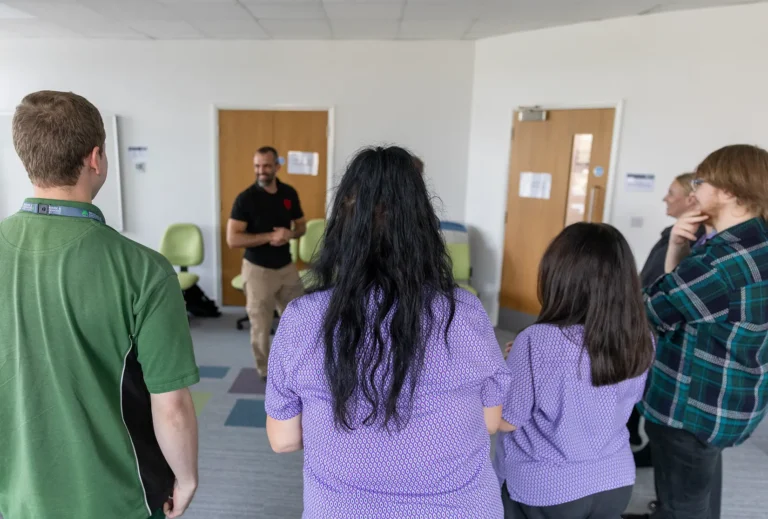
Two women laughing together while seated at an indoor gathering, with other attendees visible in the background

•04OUR APPROACH TO TRAINING

Our de-escalation training combines facilitated discussion, practical communication exercises and structured reflection with realistic scenario-based learning.
The approach promotes proportionate, ethical and defensible practice, so the skills staff learn fit your organisational policies, operational procedures and legal responsibilities.

Every course is tailored following a Training Needs Analysis, so the content reflects your environment, your workforce and the challenges your teams face day to day.

De-escalation training
Two people engaged in a focused conversation while seated across from each other in an office or clinic setting

•05Your Risks Addressed

Our de-escalation training targets the everyday situations that become complaints, incidents and absence when they’re handled badly, including:

Checklist icon Verbal or emotional aggression that escalates
Checklist icon Miscommunication during difficult conversations
Checklist icon Inconsistent responses across teams and departments
Checklist icon Poor decisions when dealing with frustrated individuals
Checklist icon Staff stress, anxiety and lost confidence after incidents
Checklist icon Complaints, dissatisfaction and negative service experiences
•06.Frequently Asked Questions

Can’t find what you’re looking for? Get in touch and we will answer any questions you may have!

What is de-escalation training?
De-escalation training teaches staff to recognise rising tension and reduce it through communication, body language and sound judgement, before a situation becomes an incident. De-escalation underpins every Stand2 programme, and at Level 1 it is the entire focus.
How do I know if Level 1 is right for our staff?
Level 1 is right where staff may face verbal aggression, frustration or distress, but there’s no foreseeable risk of physical aggression such as grabs, pushes or assaults. If that risk exists, even occasionally, staff need the personal safety skills taught at Level 2 Conflict Management.
Which de-escalation course should we choose?
Choose Managing Challenging Behaviour Training for staff who deal with people face-to-face. Choose Managing Challenging Telephone Calls Training for staff who handle difficult calls. If you’re unsure, speak to an expert and we’ll recommend the right course.
How long are your de-escalation courses?
Both Level 1 courses last four hours.
Does Level 1 include any physical skills?
No. Level 1 is designed for settings with no foreseeable physical risk, so it focuses entirely on prevention, communication, situational awareness and de-escalation. Personal safety skills, such as protecting yourself, breaking away and withdrawing safely, are taught at Level 2. Physical intervention is taught at Level 3.
How does Level 1 differ from Level 2?
Level 1 is for roles where conflict is verbal and not expected to become physical. Level 2 is for environments where verbal conflict carries a real risk of turning physical. It adds personal safety skills so staff can protect themselves, break away and withdraw safely. Neither level teaches physical intervention.
Do staff need to complete Level 1 before moving to a higher level?
No. Every level is self-contained. Levels 2 and 3 include the de-escalation foundations staff need, so you can choose the level that matches your risk without working up through the others.
Will the training be tailored to our organisation?
Yes. Before delivery we work with you to understand your policies, safeguarding responsibilities, risk assessments and operational expectations. This Training Needs Analysis shapes the examples, boundaries and decision-making frameworks your staff are trained in, supporting consistency and defensible practice.
How do you make the training safe for staff who may have experienced trauma or anxiety related to conflict?
Level 1 is delivered using trauma-informed principles. Participation is always by choice, discussions are handled sensitively, and no one is placed in a situation they’re uncomfortable with. Our trainers are skilled at recognising emotional responses and supporting individuals appropriately.
Are your de-escalation courses aligned with sector guidance and best practice?
Yes. The programme is aligned with current legal, ethical and sector-specific standards and has been independently medically reviewed.
•07Case Studies
•08START YOUR TRAINING TODAY

Let’s find the right de-escalation training for your organisation.

Tell us a little about your organisation and we’ll make sure we recommend the right training for your environment, your risk level, and your teams. There’s no obligation – just a straightforward conversation with someone who understands your sector.

"*" indicates required fields

It helps to know your sector, roughly how many staff, and the kinds of situations they face – but as much or as little as you like.
We do not use your personal information for any reason other than to contact you back. You can find our privacy policy by clicking here.

Google Reviews

At Stand2 we go above and beyond to understand and meet your expectations. Here are some of our recent reviews.

As the trusted leader in conflict management, personal safety, and physical intervention training, we aim to elevate standards across the UK and beyond by bringing evidence-based practice, operational credibility, and expert instruction to every sector we serve.
View All Reviews
Great session on conflict resolution. Session was informative and helpful for managing situations of conflict. Would highly recommend.

Brilliant course! Instructors (Steve and Dave) friendly and knowledgeable, made everyone feel really comfortable. Wonderful overall experience and know have a better knowledge of conflict resolution techniques.

Good training, helpful for increasing awareness of threats and process for justifying and processing conflict resolution.

Great experience practical elements really helped consolidate my knowledge.

The instructors were very knowledgeable, approachable and supportive. Great and informative session, thank you!


Excellent delivery, really informative & engaging, cannot fault the whole package. Thank you

Great training and was delivered to a high standard. Paul was very friendly and made me feel at ease

Very useful in practical life, specifically in my workplace.