

News & Resources
What Are the 7 Stages of De-escalation?
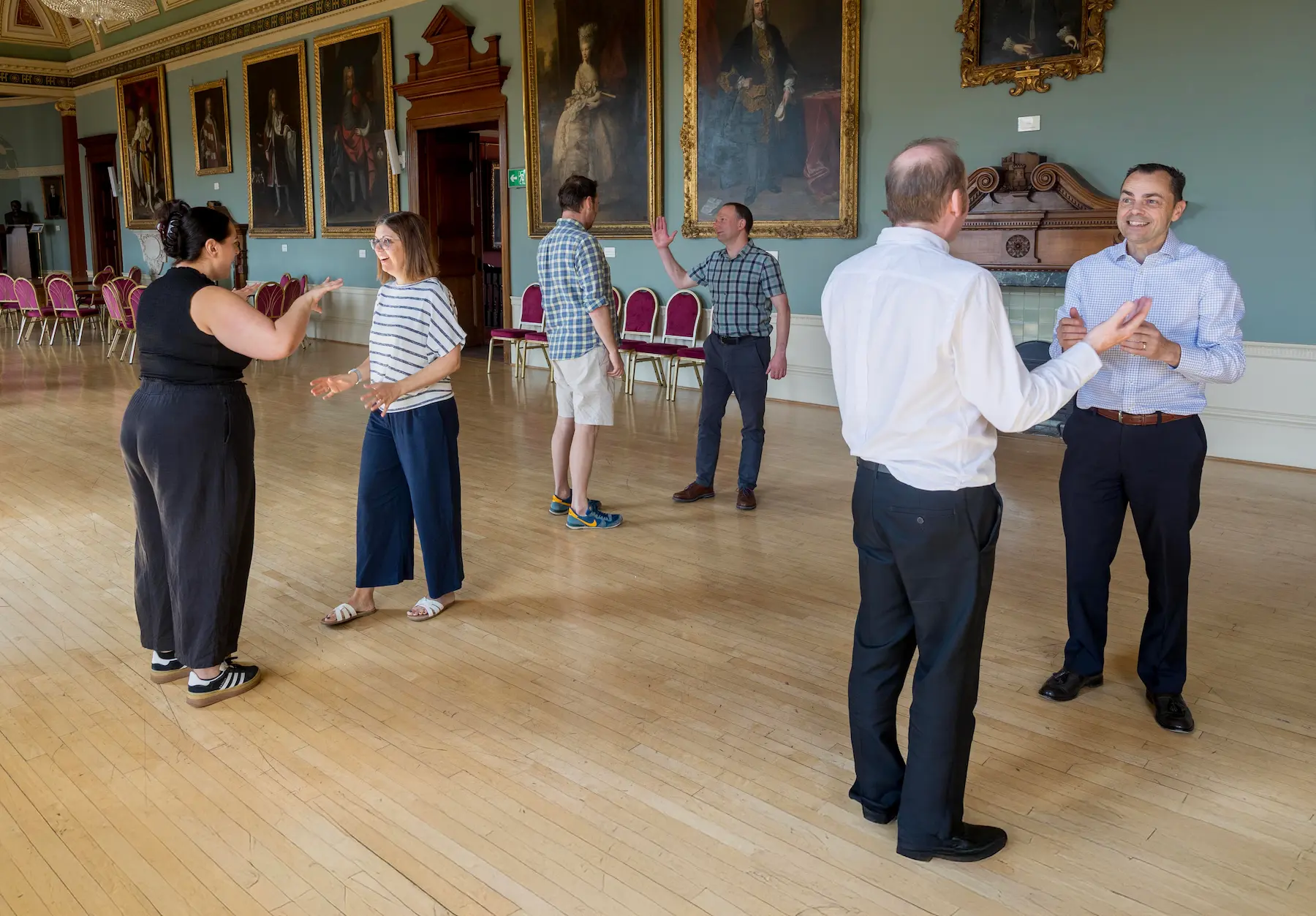
The seven stages are calm, trigger, agitation, acceleration, peak, de-escalation, and recovery - a model developed by Colvin and Sugai, now widely used across healthcare, social care, and education. Unlike models that focus purely on the escalating side, this one covers the full cycle: before a situation starts, and what happens after it ends.
Calm and trigger are about prevention - noticing the unresolved frustration or specific event that starts to shift someone's mood, before any visible agitation appears. This is the easiest point to intervene, and the one most easily missed.
Agitation through peak covers the escalating stages in detail - our 4 steps of escalation page goes deeper specifically on recognising this part of the cycle.
De-escalation and recovery are the part most training skips entirely. As intensity drops after a peak, the person isn't "back to normal" yet - they're often exhausted, withdrawn, or still processing what happened, and pushing straight back into normal interaction too soon can re-trigger the whole cycle. Recovery needs space and time as much as the peak needed calm management.
Our Managing Challenging Behaviour course covers the full cycle - not just managing the peak, but recognising the build-up and supporting a genuine recovery afterwards.




 01952 928134