

News & Resources
Can You Protest on Private Property in the UK?
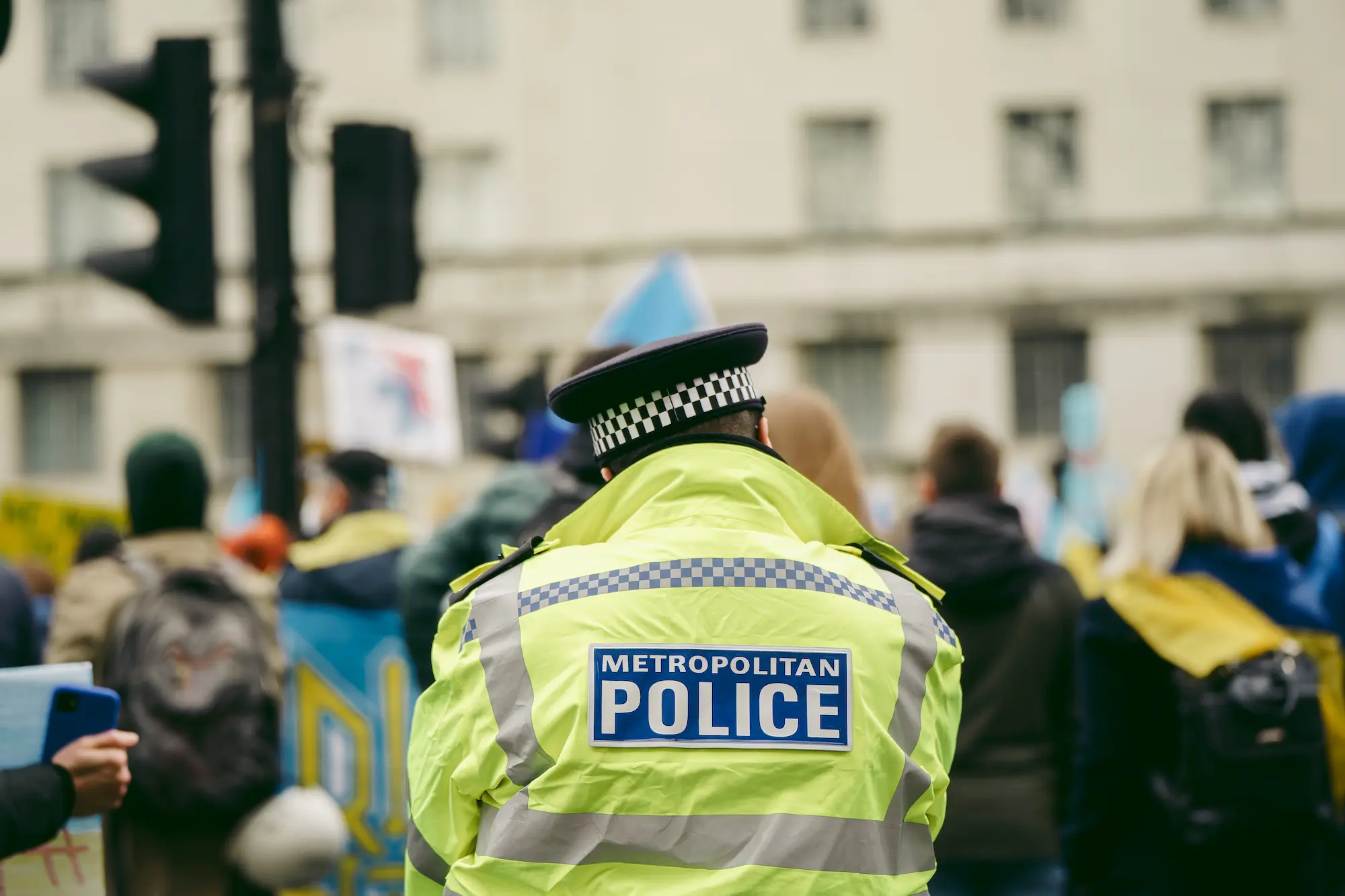
No, there's no general right to protest on private property in the UK. The rights to freedom of expression and peaceful assembly mainly protect protest in public spaces. On private land, simple trespass is usually a civil matter rather than a crime but it can become a criminal offence if the protest obstructs, disrupts, or intimidates people carrying out a lawful activity.
Being on private land without permission is trespass, but that alone isn't a crime. Trespass is a civil wrong, meaning the police generally can't arrest someone for it on its own. A landowner's remedy for simple trespass is civil: asking the person to leave, and if needed, pursuing a possession order or injunction through the courts.
Commercial premises open to the public are a special case. Shops, restaurants, and similar spaces are treated as extending an "implied invitation" to the public, but only for the purpose the business is open for. That invitation doesn't cover protesting, and it can be withdrawn at any time. Once withdrawn, someone who stays becomes a trespasser from that point on.
Aggravated trespass is where this becomes criminal. Under the Criminal Justice and Public Order Act 1994, trespassing with the intent to intimidate, obstruct, or disrupt a lawful activity is a specific offence. This is the offence protesters on private land most commonly face. For example, blocking access to a building or preventing staff from working. A police officer can direct people believed to be committing aggravated trespass to leave; refusing, or returning within three months, is a further offence.
What this means in practice for staff and organisations: the law doesn't give a business the automatic right to physically remove protesters themselves. Using force to eject someone, even from your own premises, carries its own legal risk if it's not handled correctly. This is exactly why a legally-grounded response plan matters more than an instinctive one. For where the legal line on reasonable force actually sits, see our guide on how to remove someone from private property.
Please note, this is general information, not legal advice. Specific incidents can turn on their exact facts, so if you're dealing with an active situation, get advice from a solicitor.
Our Protest Management & Safety training covers the decision-making frameworks staff need to stay safe, lawful, and proportionate when protest activity affects your premises, without staff needing to become legal experts themselves.




 01952 928134