

News & Resources
What Powers Do Ticket Inspectors Have in the UK?
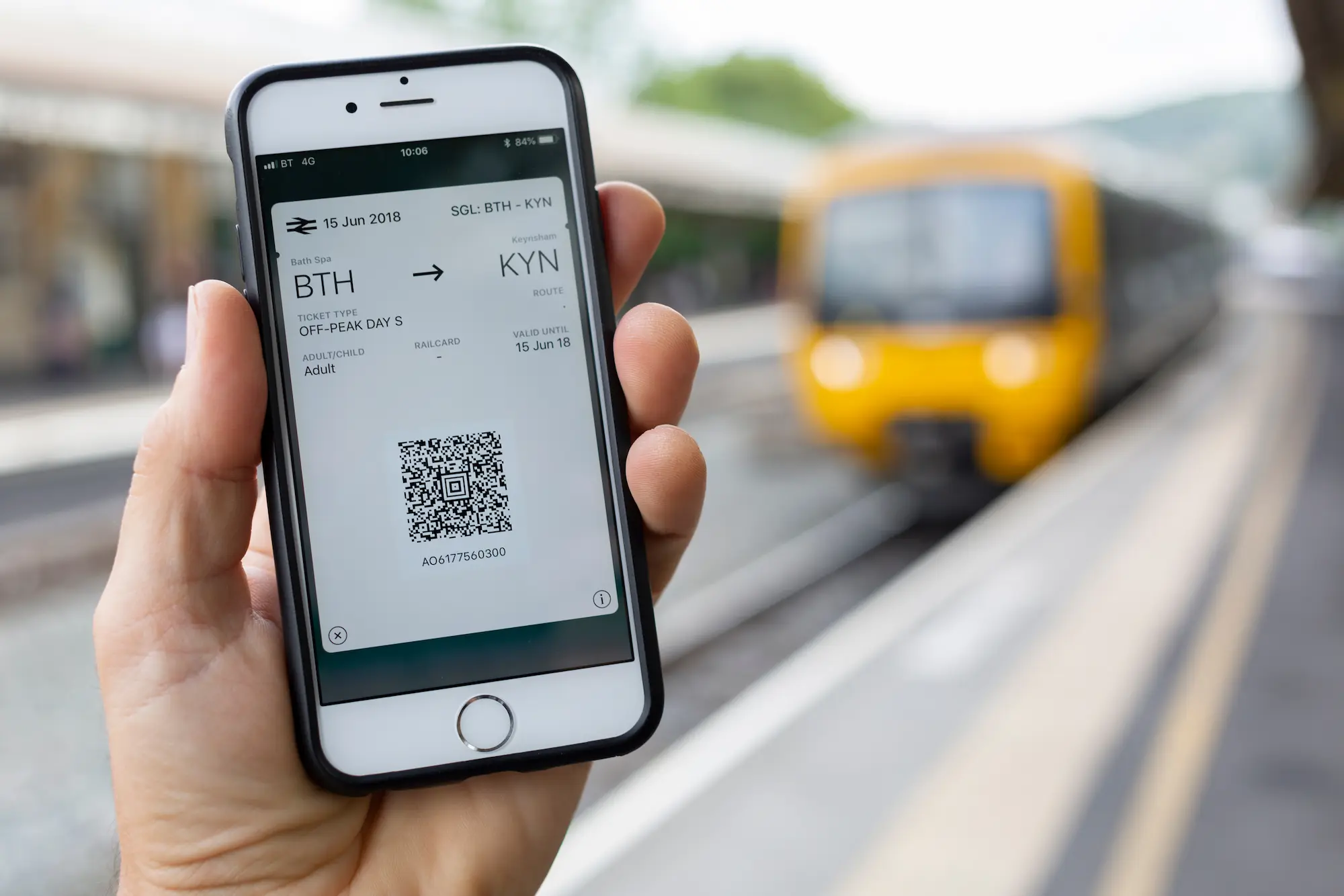
They're not police officers, but they do have real, statutory powers.
What Ticket Inspectors Can Do
Under the Railway Byelaws and the Regulation of Railways Act 1889, an inspector who reasonably suspects a ticketing offence can require you to give your name and address.
Refusing is itself an offence, carrying a fine of up to £1,000. From there, they can issue a penalty fare on the spot, or report the matter for prosecution - most operators' revenue teams now carry body-worn cameras as standard, which supports exactly this kind of reporting.
What Ticket Inspectors Can't Do
What they can't do is act like police: no arrest, no search, no physical restraint.
If someone won't cooperate, the next step is British Transport Police, not the inspector taking matters into their own hands.
Do Ticket Inspectors Get Commission in the UK?
Some do.
On several UK rail operators, Revenue Protection Inspectors receive a personal commission - most commonly cited at around 5% - on the value of the penalty fares they issue, a figure that traces back to a Department for Transport consultation and has been reported on since. The rate isn't standardised across every operator, and not all inspector roles include it, but where it does apply, it's a genuine financial incentive to issue a penalty rather than let a borderline case go.
That matters beyond the pay slip, because it shapes the encounter itself. A passenger who suspects the person in front of them is personally motivated to hand out a fine is far more likely to argue, push back, or escalate than one who sees the interaction as purely procedural - whether or not that belief is accurate in the moment. Reading that dynamic and keeping it from tipping over is exactly the skill revenue protection staff need on the ground.
That boundary - knowing exactly where your legal authority ends - is central to our Conflict Management & Personal Safety course for transport staff, which trains revenue protection officers specifically in this framework alongside the de-escalation skills to use it confidently.
It's a boundary that gets misunderstood constantly, especially around one specific question: can an inspector actually stop you leaving?
The same limited-powers principle applies to other civil enforcement roles too - see what powers council enforcement officers have for the equivalent breakdown outside the transport sector.




 01952 928134