

News & Resources
What Causes Lack of Situational Awareness?
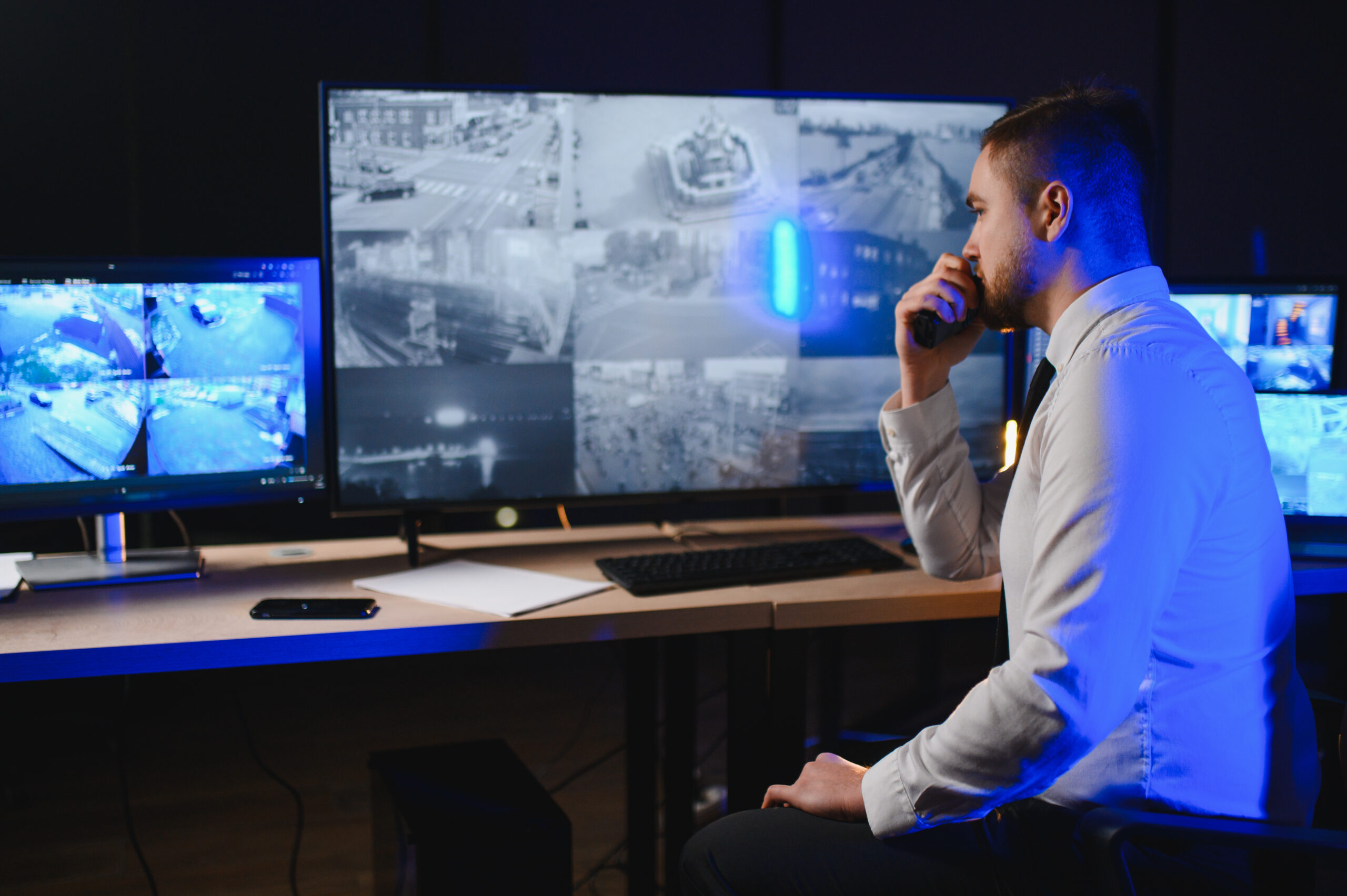
A lack of situational awareness is usually caused by attention being pulled away from the bigger picture.
That happens when someone focuses too hard on one task, is stressed or tired, has too much going on at once, or assumes a situation is the same as it always is.
Endsley identified eight common causes, which she called "SA demons". The ones that matter most in frontline work are:
- Attentional tunnelling - fixating on one thing, such as a screen, a form or one difficult person, and missing everything else.
- Workload, anxiety, fatigue and stress - all of which narrow attention and slow thinking. Long shifts and short staffing make them worse.
- Data overload - too much happening at once to take it all in.
- Errant mental models - reading a situation through the wrong lens, often because of routine. "It's always like this on a Friday" is how a genuine warning sign gets dismissed.
Phones and constant interruptions make all of these worse.
The good news is that situational awareness can be trained. Realistic scenario practice builds the habit of scanning, questioning what you see and noticing change. If you're new to the idea, start with the meaning of situational awareness. For teams, it sits at the heart of our Conflict Management & Personal Safety course.
For Frontline Managers
Keep Your Team Looking Up
Tunnel vision, fatigue and routine all wear awareness down. Our Conflict Management & Personal Safety course trains staff to scan, notice change and act early.




 01952 928134