

News & Resources
What Are the Risks of Lone Working for Transport Staff?
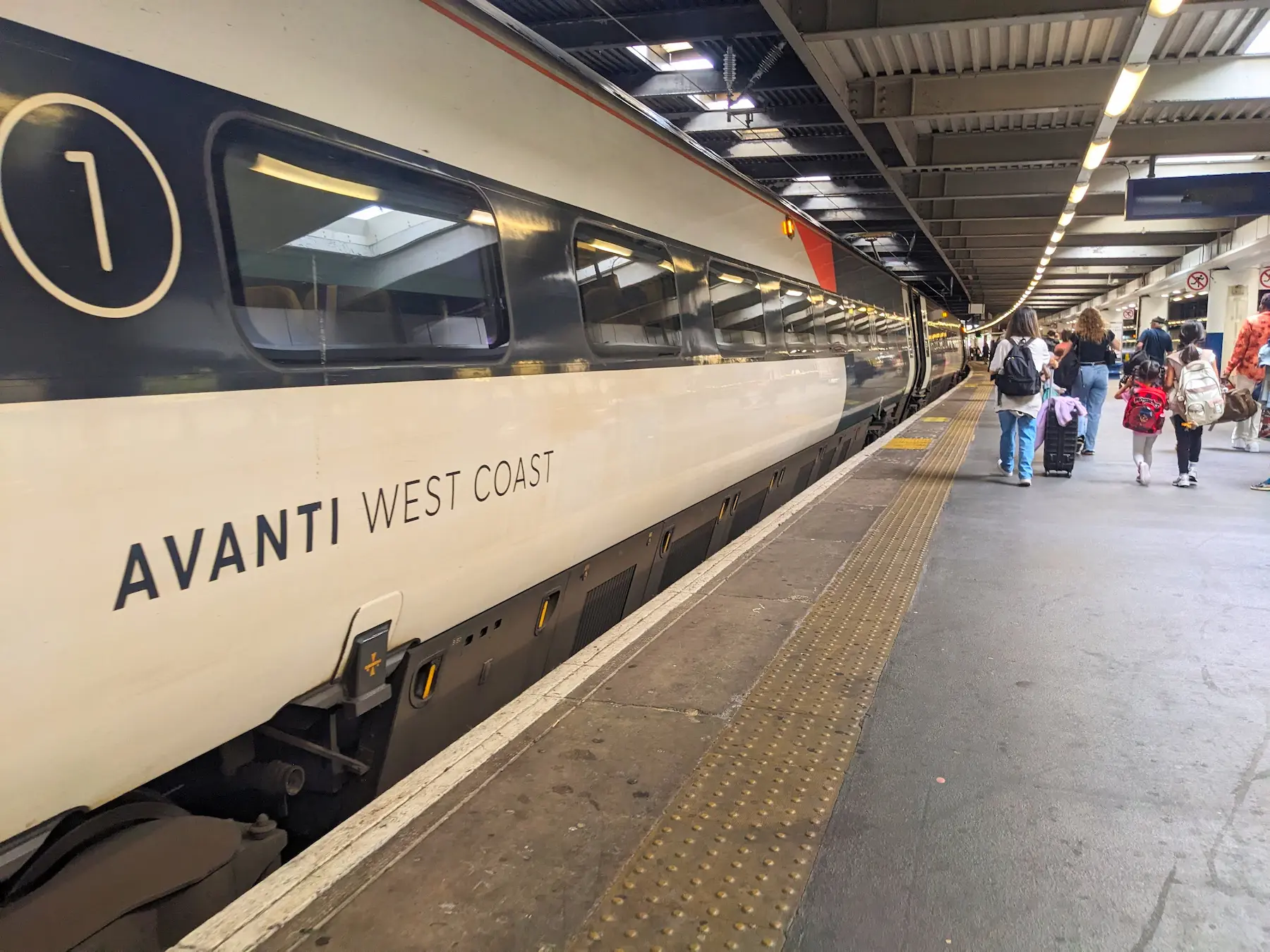
The main risks are violence or aggression from the public, medical emergencies with no one nearby to help, and slow access to support if something goes wrong mid-shift or mid-route. Fatigue and stress from unsociable hours compound all three.
Transport roles carry these pressures more than most: drivers, conductors and depot staff are frequently working without a colleague physically present - at night, in remote locations, or dealing directly with the public with no one else immediately on hand.
HSE guidance on lone working, and its guidance on violence and aggression at work, both apply directly to this environment.
None of this means lone working is unmanageable - it means it needs a deliberate risk assessment and the right training, rather than being left to whoever happens to be on shift that day.
That raises the obvious practical question: is a lone-working risk assessment actually a legal requirement?




 01952 928134