

News & Resources
What Are Six Responsibilities That Should Be Taken Immediately Following a Physical Intervention?
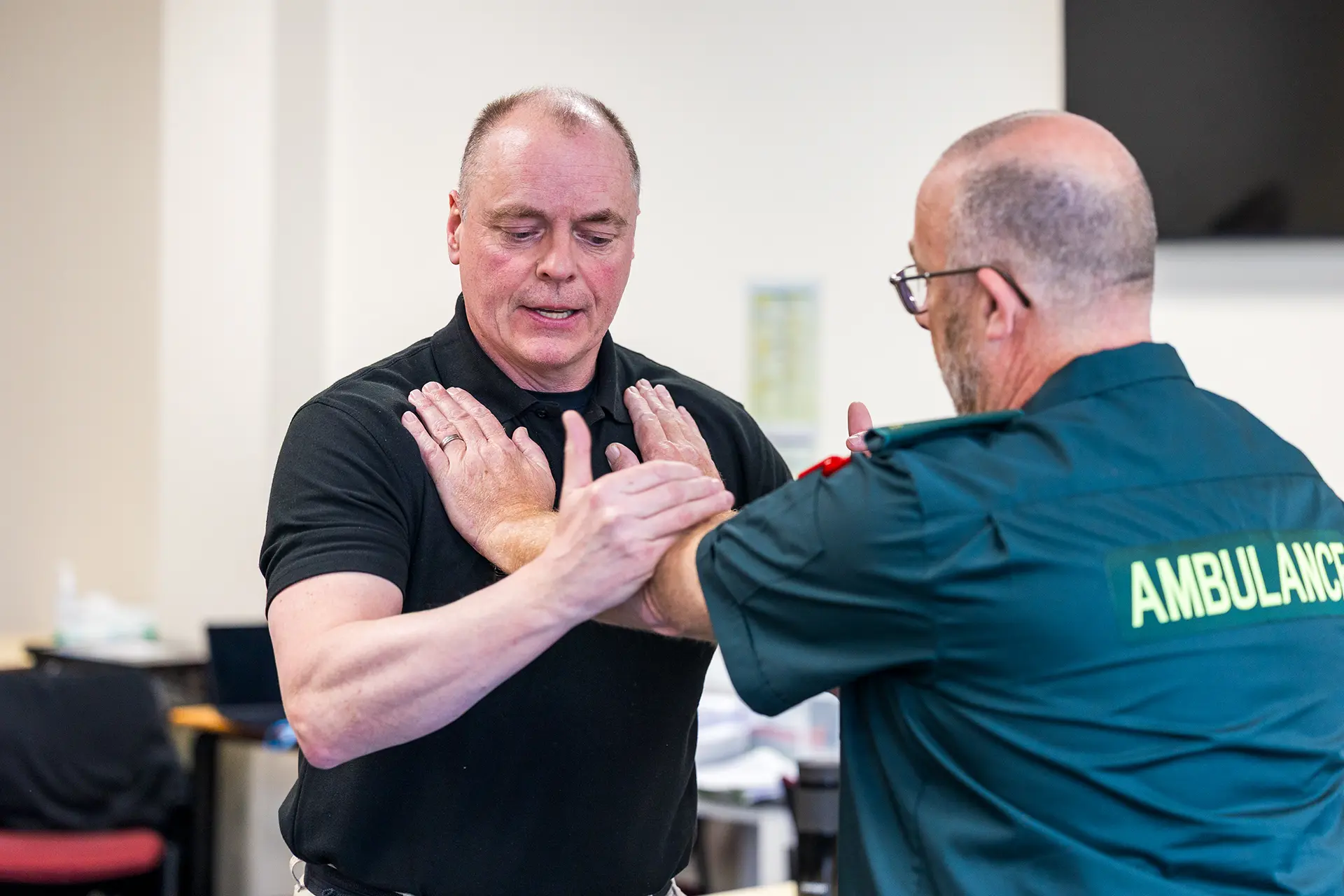
Immediately after a physical intervention ends, staff carry six core responsibilities: de-escalate safely, maintain duty of care, provide medical attention where needed, brief relevant authorities, preserve evidence, and complete a full incident report.
None of these are optional extras - they're what separates defensible practice from a liability risk.
The six responsibilities
- De-escalate safely - release or reduce the hold at the earliest safe opportunity, never longer than necessary.
- Maintain duty of care - continue monitoring the person's physical and emotional state after release.
- Provide medical attention - check for injury or distress, and get professional medical help immediately if required.
- Brief relevant authorities - inform emergency services, management, or medical staff of what happened, including duration and any complications.
- Preserve evidence - secure the scene, protect physical evidence, and note any witnesses present.
- Report fully - complete a detailed, independent written incident report covering every action taken.
These responsibilities apply regardless of which type of physical intervention was used, and they're a legal and professional expectation, not a formality.
Post-incident procedure is built into every Stand2 physical intervention course, including our physical intervention security training - covering not just the physical skills, but the reporting and review process that follows.
These reporting standards apply across all of Stand2's physical intervention training, whichever sector-specific course your team attends.




 01952 928134