

News & Resources
How Do I Remove Someone From Private Property?
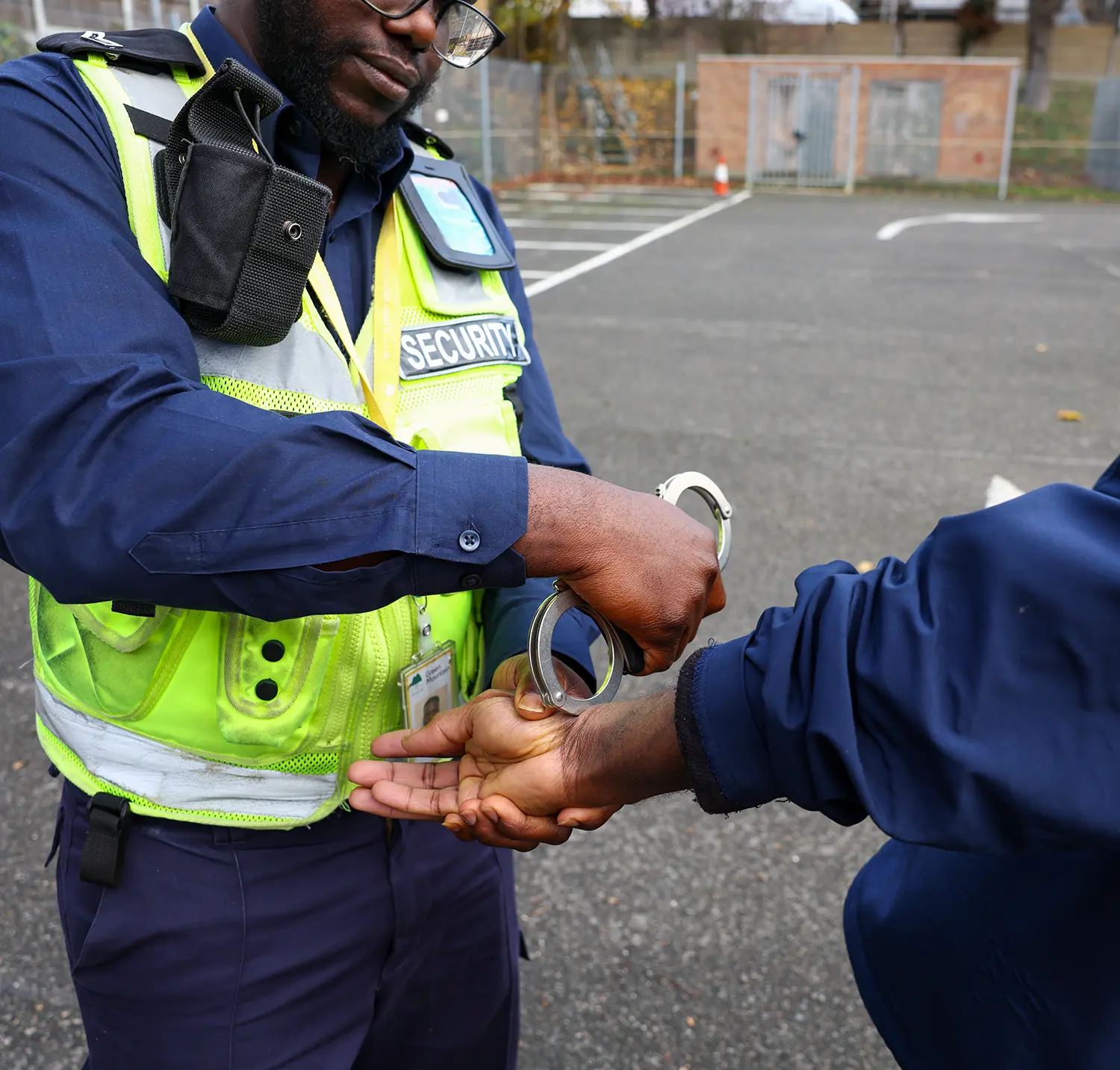
Ask them to leave first. If they refuse, UK common law allows the use of "reasonable force" to remove them - but what counts as reasonable is judged strictly, and getting it wrong can expose the person doing the removing to a criminal or civil claim.
The legal sequence, in order:
- Ask the person to leave. This step can't be skipped - force is only potentially lawful once someone has refused a clear request to go.
- If they refuse, only the minimum force necessary to remove them is lawful - starting with the lowest level possible, such as guiding someone by the arm, and only increasing if they actively resist. Anything beyond that minimum risks tipping into assault.
- Weapons, or force disproportionate to the situation, are never justified - courts have been consistent that this crosses from lawful self-help into a criminal or civil wrong.
Why this is riskier than it sounds: the moment force is judged "excessive" rather than "reasonable," the legal position flips. The person removing the trespasser can go from being the wronged party to being the one facing an assault charge or a civil claim for battery - even if the original trespass was completely clear-cut.
The safer default for most workplace situations: rather than staff attempting physical removal themselves, contact the police or trained security. Trespass on its own is usually a civil matter, but police can still attend and assist, and this avoids staff carrying the legal risk of getting "reasonable force" wrong in the moment. For organisations dealing with this repeatedly, professional enforcement agents or a court order (a possession order or injunction) are the lower-risk route for anything beyond a single, straightforward, non-confrontational case.
This is general information, not legal advice - reasonable force is judged on the specific facts of each situation, so if you're facing a live incident, get advice from a solicitor. Our Protest Management & Safety training covers exactly this judgement call - recognising when de-escalation and disengagement are the right response, and when a situation genuinely needs police involvement, rather than staff taking matters into their own hands.




 01952 928134