

News & Resources
What Powers Do Security Guards Have in the UK?
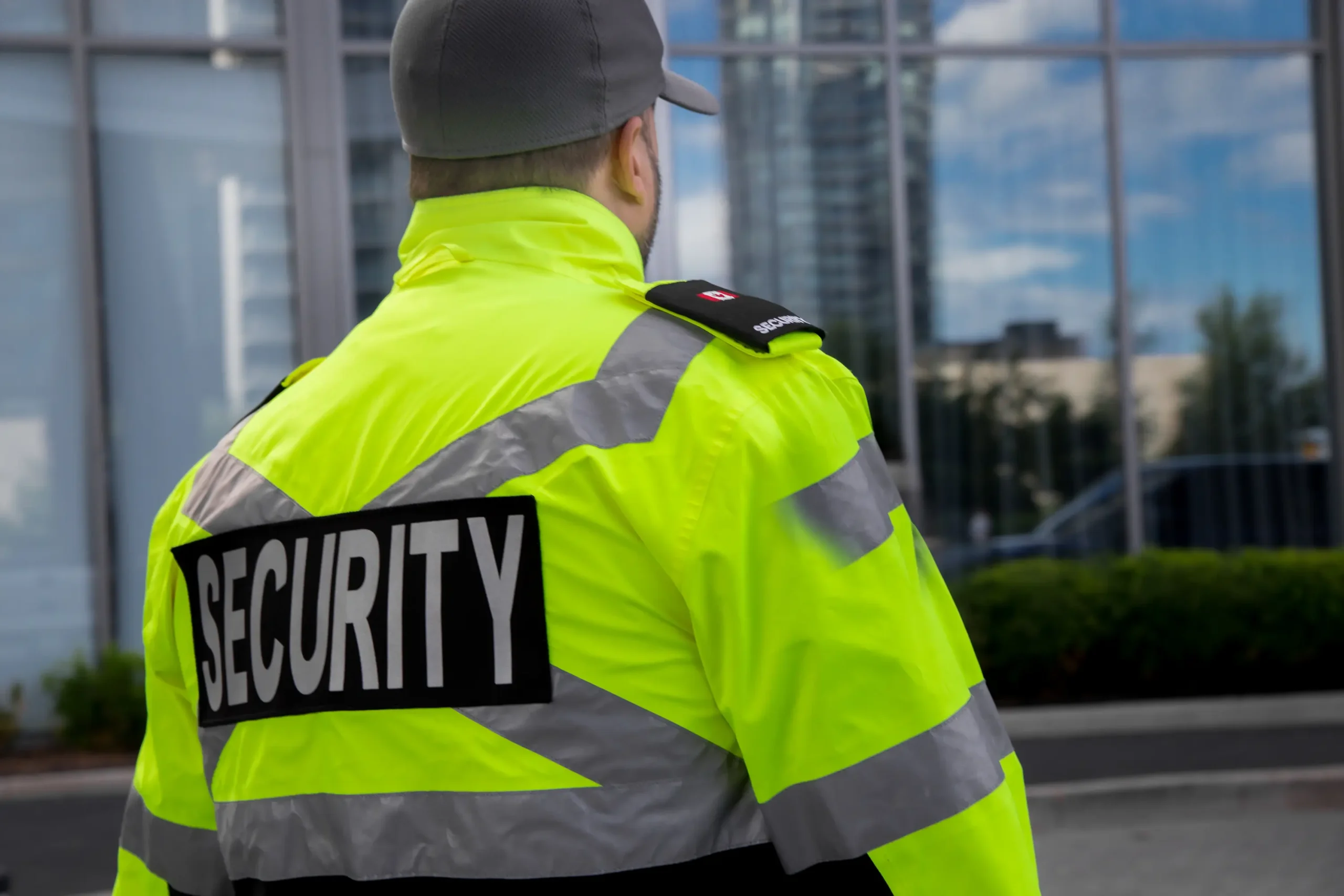
None beyond those of any private citizen - a security guard's SIA licence confirms they've been vetted and trained, but it doesn't hand them any special legal authority. Everything a guard can lawfully do flows from powers already available to any member of the public, or from the property owner's own rights, simply delegated to the guard on site.
In practice, that gives a security guard four main lawful powers:
- Reasonable force to prevent a crime or assist a lawful arrest, under Section 3 of the Criminal Law Act 1967.
- Citizen's arrest, under Section 24A of the Police and Criminal Evidence Act 1984 - but only where an indictable offence has actually been committed or is being committed, not on suspicion alone.
- Removing trespassers from private property, using reasonable force if necessary, as an agent of the property owner's common law right to control who enters.
- Searching a person or their belongings - but only with genuine consent or specific legal authority, never by compulsion.
What they can't do matters just as much: no stop-and-search without consent, no power to compel someone's name or ID, no detaining someone on suspicion alone, and no carrying weapons - batons, tasers, and pepper spray/PAVA are all prohibited for private security use in the UK. Handcuffs sit in a separate category of their own – security guards can carry and use them, but again only under ordinary citizen powers, not any special authority.
Every one of these powers comes back to the same test: was the action necessary and proportionate to the situation? That test - not the licence itself - is what determines whether a guard's actions hold up to scrutiny afterwards.
Stand2's Conflict Management & Personal Safety training grounds staff in exactly this legal framework, alongside the communication and decision-making skills to act on it safely and defensibly.




 01952 928134