

















































Level 05 – Advanced Specialist Skills
Scenario Based Training
A realistic, risk-assessed simulation module that puts Level 3 skills under pressure, building decision-making, teamwork and defensible practice in conditions that mirror real operations.
- In person
- Standpoint
- Affiliate Trainer Programme
- OBSERVATION
- PARTICIPATION
- SCENARIO PERFORMANCE
- REFLECTION
•01COURSE OVERVIEW
Level 3 skills, tested under real pressure.

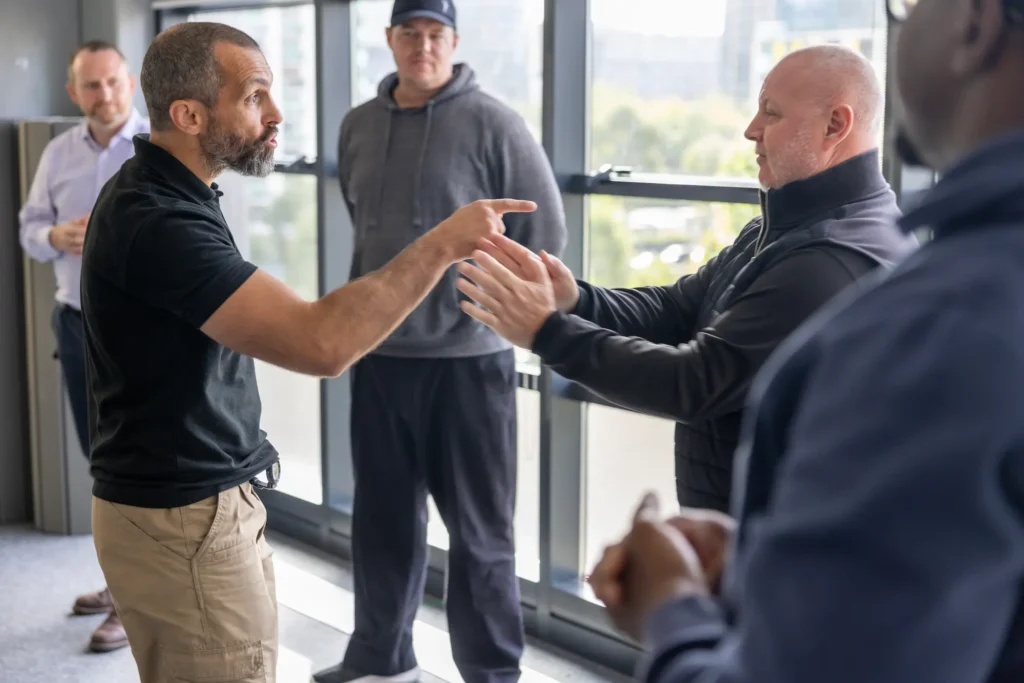
Staff apply communication, dynamic risk assessment, least restrictive practice, teamwork and, where relevant, physical intervention or clinical holding in realistic simulations.
The focus is on safe, ethical decisions, clear roles and consistent practice that stands up to audit, safeguarding and legal scrutiny.
How this training helps your organisation
-
Turns Level 3 knowledge into reliable performance
-
Better team coordination and role clarity
-
Defensible decisions in realistic conditions
-
Fewer errors from stress or role confusion
-
Better reporting and post-incident learning
-
More confident, ready teams before deployment
•03.RISKS ADDRESSED
Knowledge alone isn’t enough. Without realistic practice, teams may:
The good news? It’s entirely preventable.
What staff will learn.
- 01 Describe how conflict management principles apply in dynamic, real-world situations.
- 02 Recognise behavioural, environmental, and situational cues that influence risk and decision-making.
- 03 Explain techniques for managing stress and reducing cognitive load
- 04 Explain how organisational policies and professional standards guide responses to conflict.
- 05 Explain and justify their actions.
- 06 Record and report critical incidents and near misses.
St George’s, University of London paramedic science
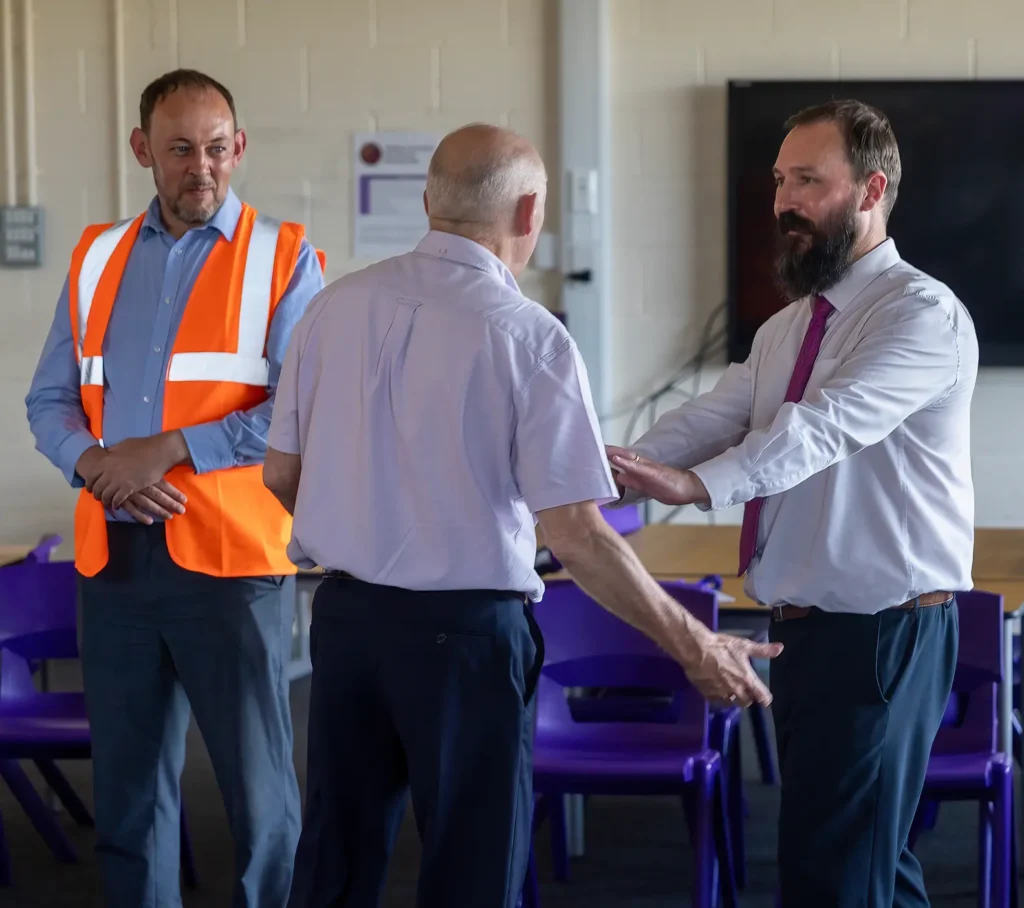
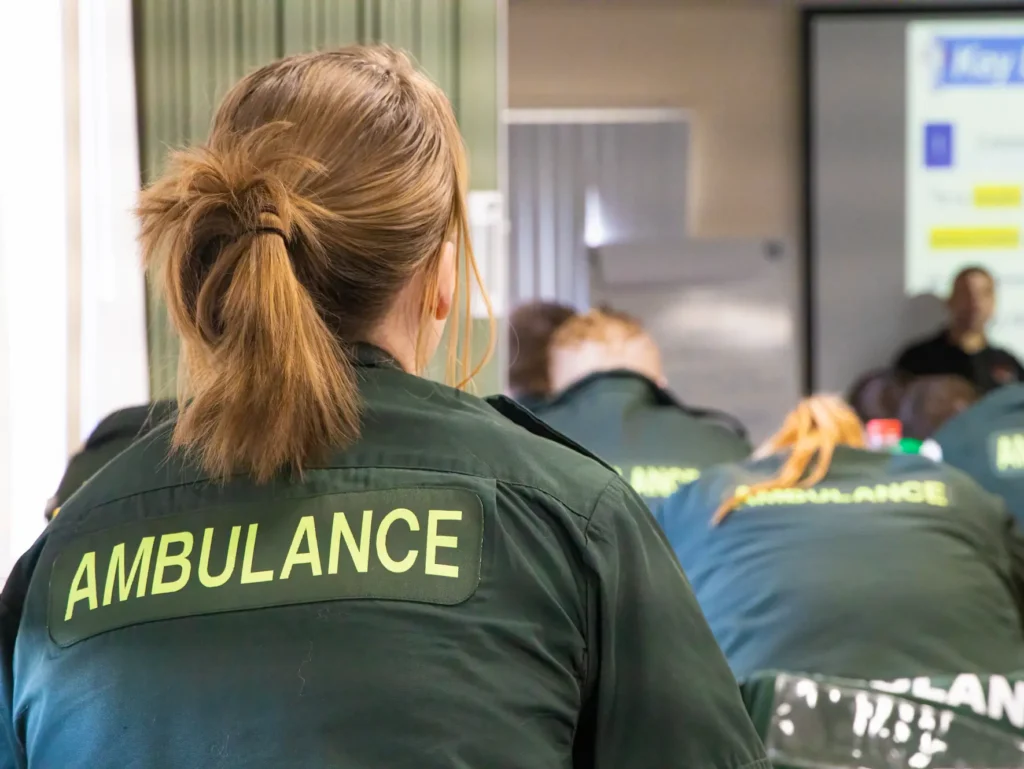
Stand2 collaborated with the St George’s University Department of Paramedic Science to design a combined package: Level 3 Advanced Conflict Management & Clinical Holding plus a Level 5 Scenario Based Training module. Working closely with faculty, we developed sector specific scenarios in an ambulance simulator, an open area simulating roadside activity, and in mocked up kitchen and bedroom environments.
Students practised structured communication, dynamic risk assessment, team coordination, and least restrictive clinical holding in lifelike conditions. This approach enabled learners to stress test decision-making, refine role clarity, and build confidence before frontline placements – bridging the gap between theory and practice safely and ethically.
Controlled, risk-assessed simulations.
Delivery: In person, through controlled simulations built around your environment and procedures, with structured pre-briefs, safety protocols and debriefs. A Training Needs Analysis shapes every scenario, and StandPoint provides supporting resources.
Assessment: Based on how staff apply Level 3 principles in realistic, dynamic scenarios, not theoretical knowledge.
Certification: Every successful participant receives a uniquely numbered Stand2 certificate and is added to the Stand2 Training Register, giving you an auditable record of who has completed the module.
Training environment: Trauma-informed, closely supervised and consent-led. No one is asked to do anything they’re uncomfortable with.
Scenario based training: your questions answered
Can scenarios be built around our specific sector, environment, and policies?
Does this module introduce new physical skills?
Is this module suitable for mixed discipline teams?
How do you ensure simulations are safe?
Who is this module designed for?
Can the module be delivered as part of the annual Level 3 refresher?
How long does the module take?
Does Stand2 training come with a certificate?
Let’s talk about training your team.
Ideal for teams who need to perform under pressure in elevated-risk environments. Tell us about your team and we’ll recommend the right approach.
"*" indicates required fields