
Level 03 – Physical Intervention
Advanced Conflict Management & Clinical Holding Training

A specialist programme for clinical and care environments where staff may be required to contribute to safe, proportionate clinical holding to prevent harm. Designed to strengthen advanced communication, risk assessment, and coordinated team-based responses.
- In person
- Standpoint
- Affiliate Trainer Programme
- OBSERVATION
- PARTICIPATION
- SUPERVISED PRACTICAL DEMONSTRATION
•01COURSE OVERVIEW
Developing the specialist communication, assessment, and practical skills required to safely manage high-risk behaviour in clinical and care environments.
Participants explore complex escalation patterns, apply structured de-escalation models, and contribute to safe, ethical clinical holding within clear legal, medical, and organisational boundaries. The course emphasises teamwork, risk awareness, and post-incident responsibilities, supporting safer outcomes for staff and those in their care.
This programme is independently medically reviewed by a consultant in emergency medicine – ensuring every technique taught is safe, proportionate, and clinically defensible.
How this training helps your organisation
-
Safer, more consistent clinical holding practice aligned with policy
-
Reduced risk of injury to staff and patients
-
Clearer, more defensible decision-making during high-risk incidents
-
Improved multidisciplinary teamwork and communication
-
Stronger safeguarding, reporting, and incident review processes
-
Increased staff confidence when facing complex behavioural presentations
•03.RISKS ADDRESSED
In clinical environments, poorly managed physical intervention can result in patient harm, regulatory investigation, and consequences your organisation cannot afford. Without the right training, your staff may:
The good news is that this is entirely preventable. That’s what this course is for.
Here’s what your staff will be able to do differently:
- 01 Recognise and manage the three types of risk.
- 02 Analyse complex behavioural, environmental, and clinical factors that contribute to high-risk escalation.
- 03 Conduct dynamic, evidence based risk assessments during rapidly changing situations.
- 04 Recognise and mitigate key risks associated with clinical holding, including positional, medical, and situational risks.
- 05 Apply advanced communication and deescalation strategies to prevent or reduce the need for physical intervention.
- 06 Maintain professional composure, emotional regulation, and clear communication under pressure.
- 07 Understand the legal, ethical, and professional frameworks governing clinical holding and restrictive practices.
- 08 Contribute to safe, coordinated team responses that prioritise dignity, proportionality, and least restrictive practice.
- 09 Work effectively as part of a team with colleagues and external services.
- 10 Demonstrate safe and effective management of bystanders during high risk incidents
- 11 Maintain dignity and reduce trauma for service users during and after restrictive interventions.
- 12 Support safe withdrawal, transition, and recovery processes following an incident.
- 13 Follow organisational procedures for reporting, review, and safeguarding.
- 14 Engage in reflective practice to strengthen personal capability, team performance, and service wide learning.
- 15 Recognise cumulative exposure risks and sources of post incident staff support.
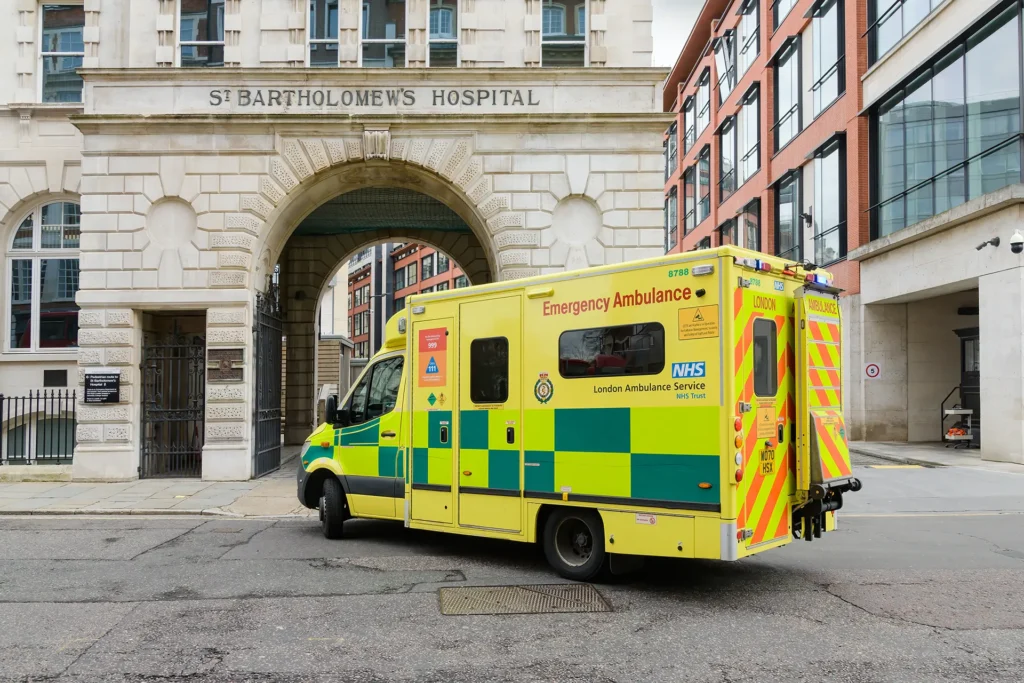
London Ambulance Service – All Frontline Clinical Staff
Since 2010, Stand2 has delivered Advanced Conflict Management & Clinical Holding training to all frontline London Ambulance Service staff. These teams face some of the most challenging behavioural presentations in the UK, often in unpredictable environments and under significant time pressure.Â
The training equips ambulance crews with the skills to manage complex behaviour safely, recognise clinical risk factors, and apply non-harmful, least restrictive clinical holding when absolutely necessary to protect patients and staff.Â
Over more than a decade of partnership, London Ambulance Service has consistently reported improved staff confidence, clearer decision-making, safer team coordination, and a reduction in avoidable escalation during high-risk incidents. The programme continues to support patient safety and staff wellbeing across the capital.
Stand2 has also delivered this programme to West Midlands Ambulance Service since 2006 – one of several long-standing ambulance service partnerships that reflect the programme’s clinical credibility and operational relevance.
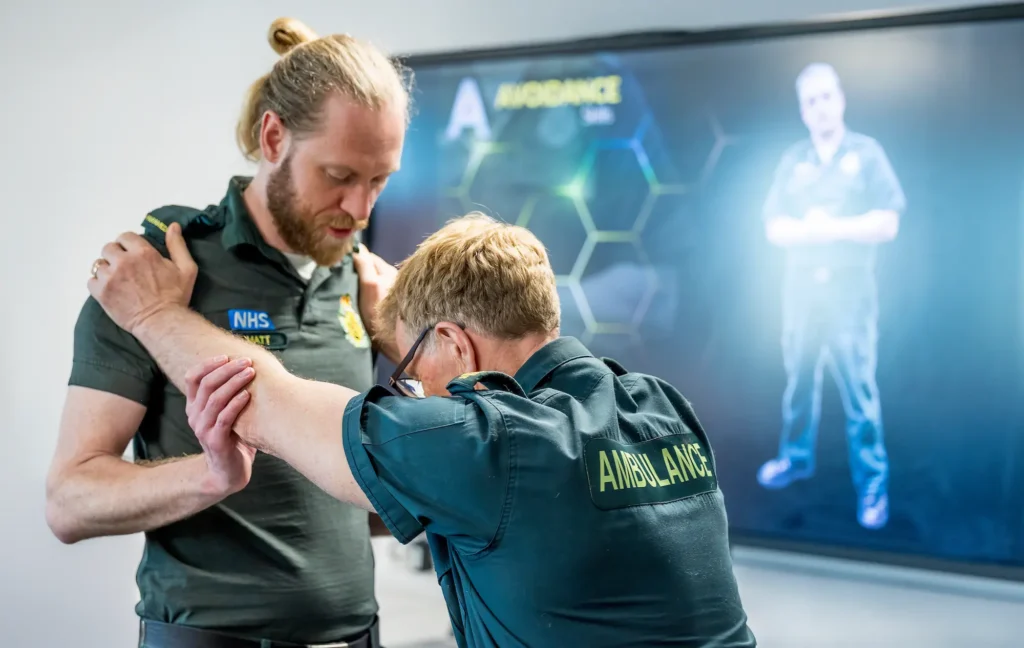
A full day of specialist, medically reviewed clinical training – built around the environments your staff work in.
Delivery
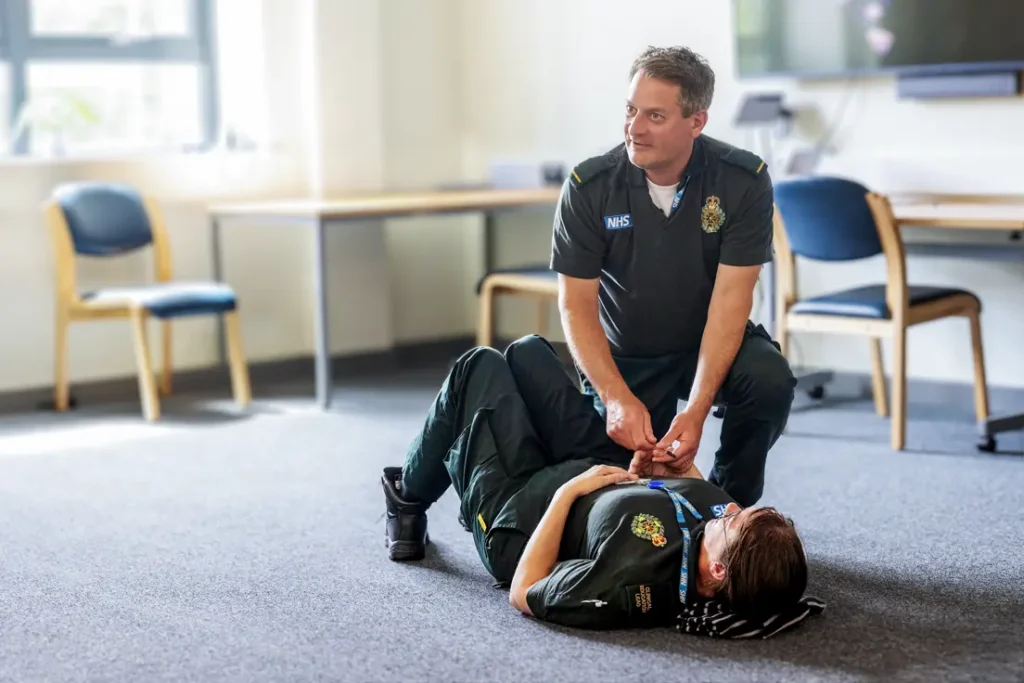
This programme is delivered in person through structured theoretical input, supervised physical skills practice, scenario-based simulations, and reflective discussion. Every programme is preceded by a Training Needs Analysis to ensure full alignment with your clinical policies, operational risks, and the specific environments your staff work in. StandPoint, our online learning platform, supports the programme with additional resources and materials.

Medical review
All clinical holding techniques taught on this programme are independently medically reviewed by a consultant in emergency medicine and fully risk assessed by a NEBOSH-qualified practitioner. This level of independent medical oversight reflects the clinical complexity of the environments this training is designed for – ensuring every technique is safe, proportionate, and defensible within a clinical governance framework.
Assessment
Learning is assessed through observation, participation, and demonstration of principles in a supervised environment. Assessment is continuous and practical – based on how staff apply what they’ve learned in realistic, controlled conditions.
Certification
Every participant who successfully completes the programme is formally certified by Stand2, receiving a uniquely numbered certificate that confirms they have met the programme’s assessed standards. Each delegate is entered onto the Stand2 Training Register, which we maintain on your behalf – giving your organisation a clear, auditable record of who has been trained and when annual refresher training is due.


Training environment

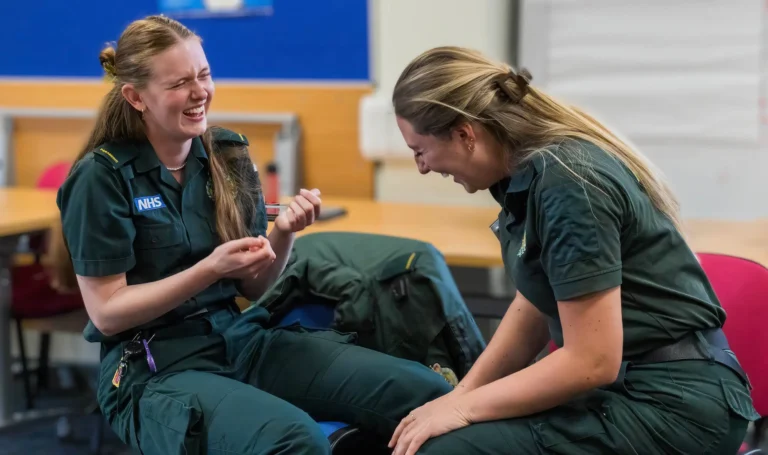
Psychological and physical safety are prioritised throughout. All sessions are delivered with clear consent, trauma-informed facilitation, close supervision, and robust safety protocols. No participant is asked to take part in any activity they are uncomfortable with.
Can’t find what you’re looking for? Call us or drop us a message.
Do staff need previous physical intervention training?
Does the course teach restraint or enforcement techniques?
Is clinical holding training a legal requirement?

What is a Training Needs Analysis and why is it required?

How do you ensure medical safety during training?

What sectors is this course suitable for?
Is this course suitable for multidisciplinary teams?
How does this training support CQC compliance and clinical governance?

Does Stand2 training come with a certificate?

How often should staff refresh this training?
This course is designed for clinical and care environments where safe, proportionate clinical holding may be required to prevent harm.
If you’re responsible for patient safety, staff wellbeing, or operational risk, we can help.
"*" indicates required fields